Mexican vanilla is the extract your grandmother probably bought on a trip across the border and treasured for years — the one that made her flan smell like nothing else on earth. But if you’re shopping for it online in 2026, you’re walking into one of the most confusing buying decisions in the entire extract category. The brands are unfamiliar, the labels are often in Spanish, the safety questions are real (more on that in a moment), and the sensory profile — that rich, almost woody, faintly spicy sweetness — is genuinely different from the American-style vanilla extract you may be used to. This article puts five of the most commonly purchased Mexican vanilla brands side by side: Molina, Danncy, La Vencedora, Totonac’s, and Back to Basics. By the end, you’ll know what each one actually is, what reviewers consistently say about each, and exactly when to choose which one.
| EDITOR'S PICK[La Vencedora Mexican Vanilla](https://www.amazon.com/dp/B0FGBCZSP1?tag=greenflower20-20) –… | Mid-tier[Danncy Vanilla Dark 33.8 fl oz](https://www.amazon.com/dp/B00EOGVJMY?tag=greenflower20-20)… | Budget pick[Usumacinta Mexican Vanilla Blend](https://www.amazon.com/dp/B01N9RAGPB?tag=greenflower20-20) | |
|---|---|---|---|
| Size | 64 fl oz (2×32) | 67.6 fl oz (2×33.8) | 16.9 fl oz |
| Pack count | 2 | 2 | 1 |
| Type | Traditional flavoring | Extract | Blend |
| Made in Mexico | ✓ | — | — |
| Dark color | — | ✓ | — |
| Price | $34.95 | $22.99 | $19.90 |
| See on Amazon → | See on Amazon → | See on Amazon → |
The Mexican Vanilla Difference: What You’re Actually Buying
Before the brand comparison, it helps to understand why Mexican vanilla tastes and smells the way it does — because the process genuinely drives the flavor, and misunderstanding it leads to a lot of unfair negative reviews.
Most American-process vanilla extracts (the ones FDA-regulated as “pure vanilla extract”) use ethyl alcohol — typically around 35% — as the solvent that pulls flavor compounds out of the vanilla bean. Mexican producers, particularly the ones making traditional-style products, have historically used different extraction methods and solvent ratios. Back to Basics, for example, explicitly uses a water-based extraction process on its label. This matters enormously. Water extracts different flavor compounds than alcohol does. You get more of the heavier, resinous, woody notes and less of the sharp, bright, almost floral volatility that characterizes a freshly opened bottle of American-process pure vanilla.
The practical result: Mexican vanilla often smells less intense straight from the bottle than a Nielsen-Massey Madagascar Bourbon, but it behaves differently in heat. Reviewers across multiple aggregated listings consistently note that Mexican vanilla “blooms” in baked goods in a way that rewards low-and-slow applications — custards, slow-cooked cajeta, pound cakes — more than it does quick-bake cookies where you need that immediate aromatic hit.
Serious Eats’ flavor and sourcing explainer on Mexican vanilla — “What Is Mexican Vanilla?” by Sho Spaeth — notes that the region around Papantla, Veracruz, where the Totonac people first cultivated vanilla centuries before European contact, still produces vanilla beans with a distinctive flavor profile: earthier and more complex than Madagascan Bourbon-type beans, with less of the creamy sweetness that American bakers have been trained to expect from premium bottles.
Brand-by-Brand Breakdown
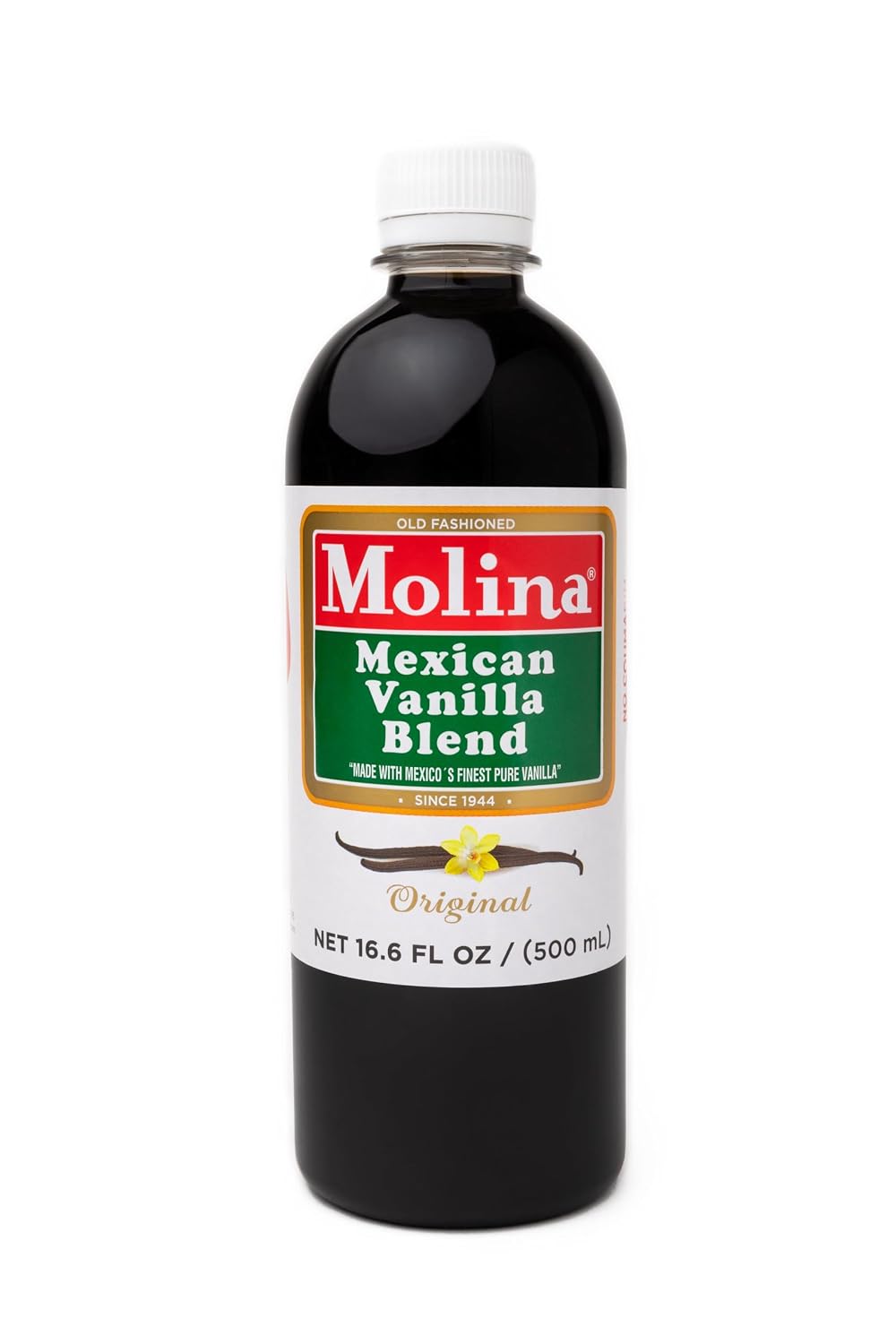
Molina Vanilla
Molina is almost certainly the most widely distributed Mexican vanilla brand in the United States, and its ubiquity is both its strength and its liability. The ingredient label on Molina reads “vanilla blend” — which means it contains both vanilla extract and vanillin (synthetic vanilla flavoring). That’s not a scandal; it’s just a different product category than “pure.” The vanillin content is why Molina smells so intensely sweet and forward out of the bottle compared to other Mexican vanillas. For everyday home baking where budget matters and you’re making pancakes or banana bread, aggregated reviews consistently describe Molina as reliable and crowd-pleasing.
The liability: Cook’s Illustrated’s tasting notes and category overview, “The Best Vanilla Extract,” calls out that blended vanillas can taste slightly “sharp” or “synthetic” in preparations where vanilla is the starring flavor — custards, ice cream bases, simple buttercreams. In those applications, the vanillin component shows its edges.
If X, then Y: If you’re baking for volume and the vanilla is a supporting note, Molina performs well for the price point. If vanilla is the lead flavor, you’ll want to step up.
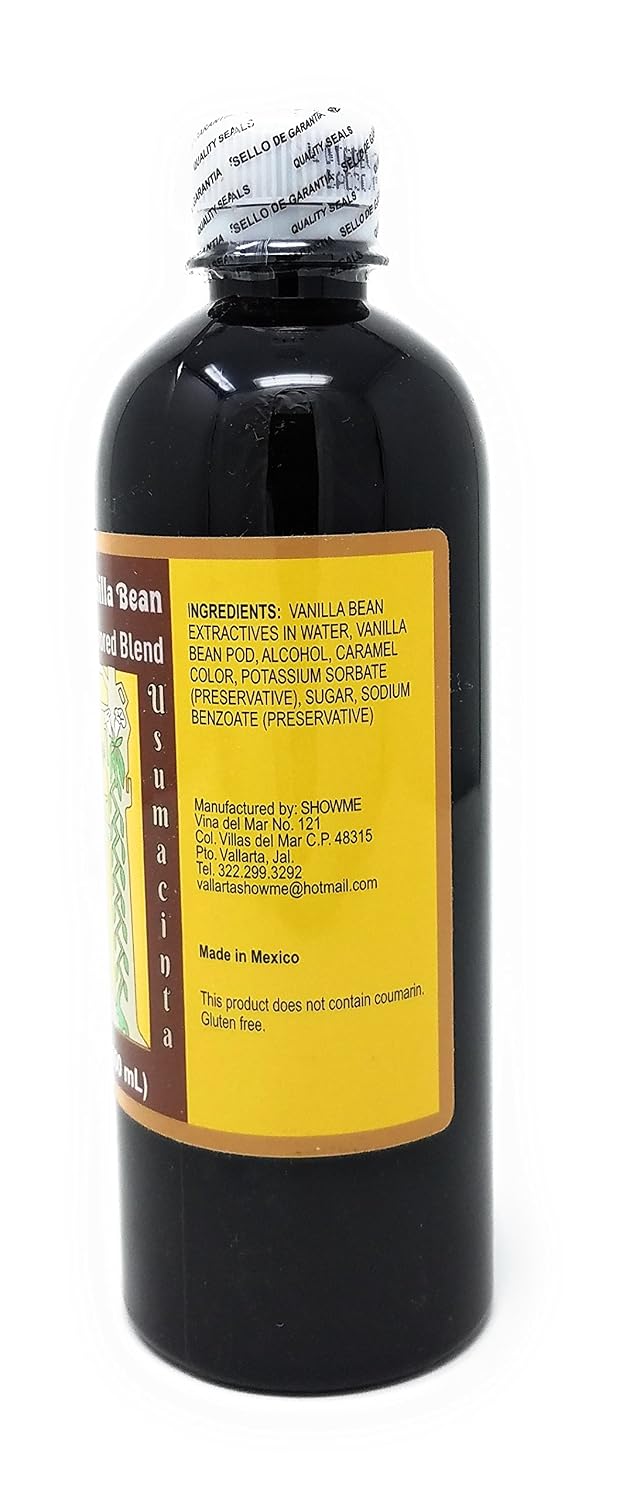
Usumacinta
$19.90
In stock on Amazon
Check price on AmazonDanncy Dark (and Danncy Clear)
Danncy is the brand with the most unusual buyer persona in this entire category. Across aggregated reviews, a meaningful percentage of Danncy Dark buyers — particularly those purchasing the large-format bottles — openly state they’re using it as a fragrance component: in homemade air fresheners, linen sprays, and potpourri blends. This is not a food-safety concern; it’s a revealing data point about how powerfully aromatic Danncy Dark is. The scent is assertive, deep, and almost resinous — more vanilla absolute (the kind used in perfumery) than extract.
For baking purposes, Danncy Dark reviews describe a flavor that’s intense and complex, with a darker, almost smoky undertone that some bakers love in chocolate applications and spiced goods, and that others find overwhelming in delicate recipes. Danncy Clear is a milder option from the same producer, more neutral and less dominant — reviewers describe it as a good workhorse for high-volume baking where you want vanilla presence without drama.
If X, then Y: If you’re making a dark chocolate cake, brownies, or anything where you want vanilla to play counterpoint to bitter flavors, Danncy Dark’s intensity is an asset. If you’re working on a chiffon cake or white chocolate application, reach for Danncy Clear — or a different brand entirely.
Usumacinta
$19.90
In stock on Amazon
Check price on AmazonLa Vencedora
La Vencedora occupies an interesting position: it’s one of the older Mexican vanilla brands with significant loyalty among buyers of Latin American heritage who grew up with it. The brand’s most engaged reviewers are the ones who do the work — several aggregated reviews note explicitly that buyers have compared the US-purchased bottle’s ingredient list against bottles purchased in Mexico, looking for formulation differences between what’s exported and what’s sold domestically.
This is real consumer-protection territory. The short answer, based on these aggregated comparisons: La Vencedora’s exported product is consistent with its domestic formulation. It’s a vanilla blend (like Molina, not pure), with a lighter, creamier profile than Danncy Dark. Reviewers consistently describe it as the most “approachable” of the Mexican vanilla blends — less assertive than Danncy, more complex than Molina. King Arthur Baking’s ingredient guide, “Vanilla 101: Extract vs. Paste vs. Powder,” notes that blended vanillas with lower vanillin content and higher actual extract concentration tend to perform more like pure vanilla in baked applications, and La Vencedora appears to sit closer to that end of the spectrum than Molina does.
If X, then Y: If you’re buying Mexican vanilla specifically because someone in your family used it and you want to replicate a flavor memory, La Vencedora is the most likely match. It’s also a solid first step for bakers moving toward Mexican vanilla for the first time.
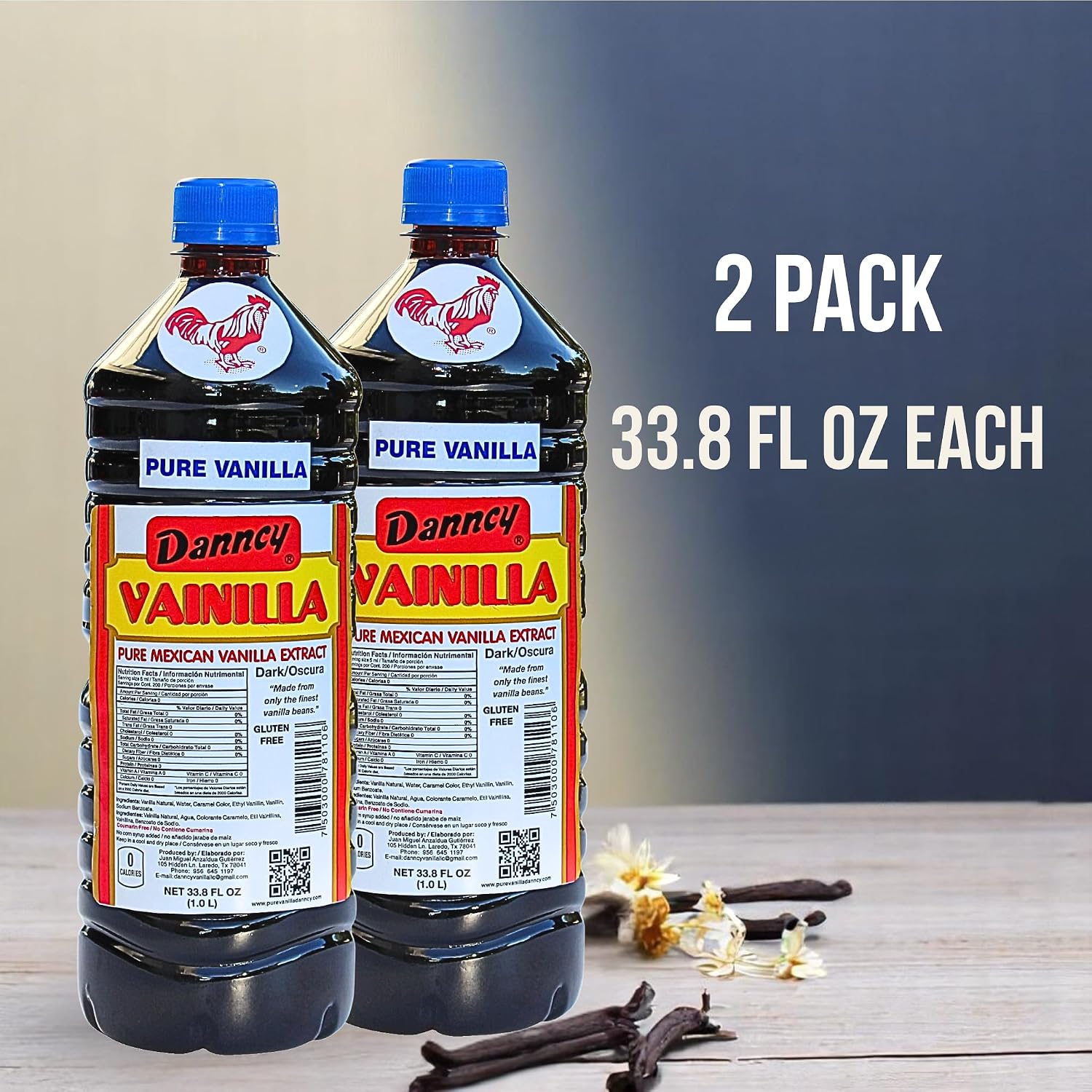
Danncy 1L
$22.99
In stock on Amazon
Check price on AmazonTotonac’s
Totonac’s positions itself as the premium tier of the Mexican vanilla category — the brand explicitly markets toward the provenance-conscious buyer. The name itself is a direct reference to the Totonac people of Veracruz, and the brand leans into single-origin storytelling in a way the other brands in this comparison don’t.
Here’s the consumer protection issue worth naming directly: the Totonac’s listing has a documented pattern of third-party sellers substituting a different product variant — smaller bottles, different concentrations, or in some cases entirely different products — while using the Totonac’s name. The Kitchn’s reader Q&A, “Why Does My Mexican Vanilla Smell So Different?,” flags this exact category of problem: the solution is to purchase only through verified sellers and to check the bottle’s label against the product listing carefully on receipt.
When you do receive authentic Totonac’s, reviewers describe it as the closest of the Mexican vanillas to what Americans would recognize as a pure-style extract — clean, smooth, without the synthetic sharpness of higher-vanillin blends. It’s pricier than the other brands here, and for some bakers that premium is worth the peace of mind.
If X, then Y: If provenance matters to you and you’re willing to verify your seller, Totonac’s is the brand to reach for when Mexican vanilla needs to perform in a precision application — a pastry cream, a panna cotta, somewhere the flavor stands alone.
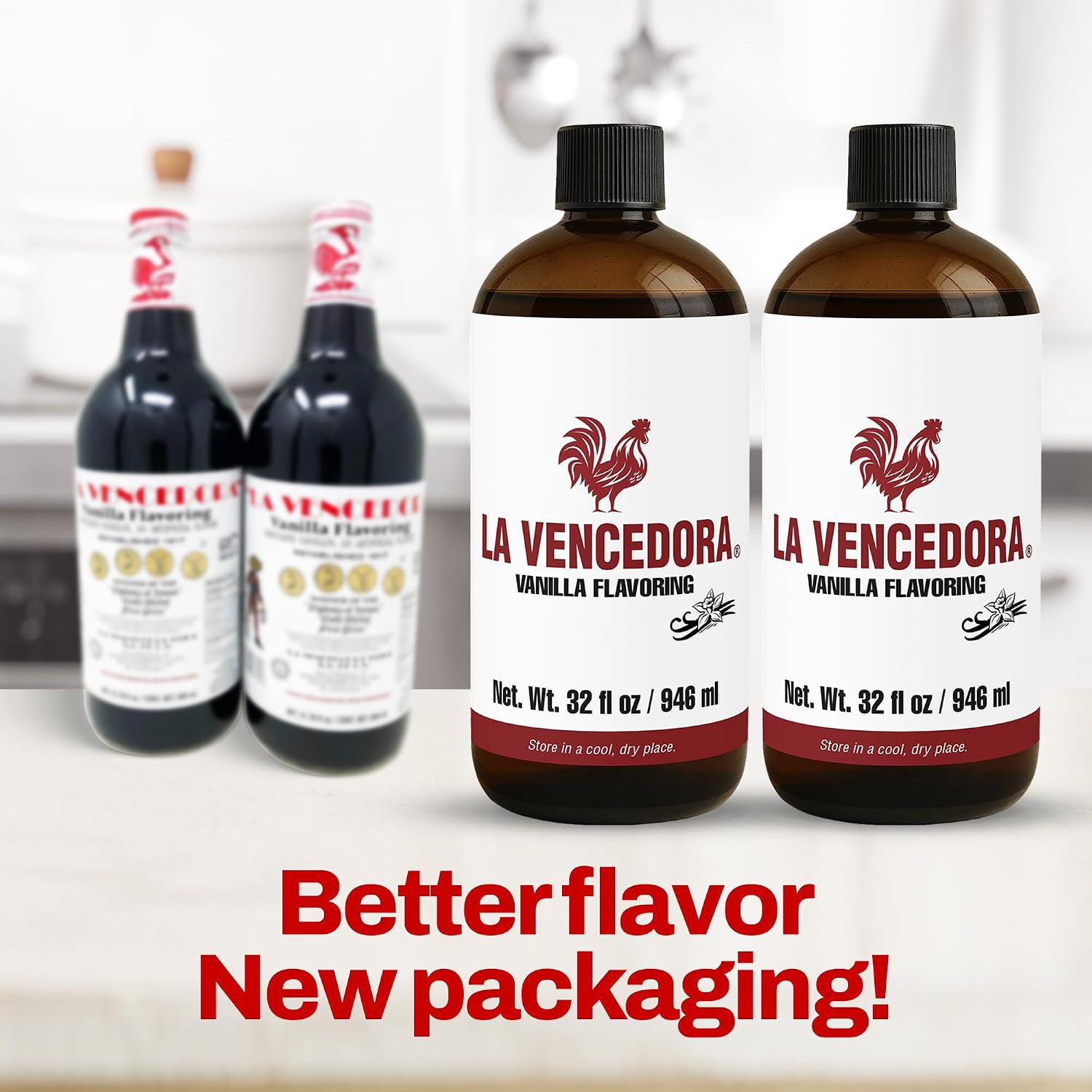
La
$34.95
In stock on Amazon
Check price on AmazonBack to Basics
Back to Basics is the brand that most explicitly explains what it is. Its water-extraction process is labeled and marketed as a feature, not a quirk. This is the vanilla for the baker who read a negative review saying “it smells weak” and wants to understand why — and whether that matters.
It does matter, and it matters in your favor for specific applications. Loyalist reviews citing Usumacinta-origin sourcing describe Back to Basics as the one that makes their pancakes taste different from anything else — a flavor people describe as “rounder” and “more complex” than alcohol-process extracts, without the slight ethanol note that some tasters pick up in American-process extracts in uncooked or lightly cooked applications. The Kitchn’s explainer on Mexican vanilla consistency notes that water-extracted vanillas are among the most common sources of unfair negative reviews precisely because buyers evaluate aroma cold, out of the bottle, rather than in application.
If X, then Y: If you’re using vanilla in applications with minimal heat — whipped cream, no-bake cheesecakes, cold fruit preparations — or if you’re sensitive to the taste of alcohol and want a cleaner vanilla note, Back to Basics’ water-extraction process is actually a technical advantage.
Danncy 1L
$22.99
In stock on Amazon
Check price on AmazonQuick Reference: All Five Brands at a Glance
| Brand | Type | Extraction Base | Best Application | Tier |
|---|---|---|---|---|
| Molina | Blend | Alcohol | Volume baking, everyday use | Budget |
| Danncy Dark | Blend | Alcohol | Chocolate, spiced, fragrance-adjacent | Budget |
| La Vencedora | Blend | Alcohol | Everyday baking, flavor memory | Mid-tier |
| Back to Basics | Blend | Water | No-heat or low-heat applications | Mid-tier |
| Totonac’s | Near-pure | Alcohol | Precision applications, pastry | Premium |
Frequently Asked Questions
Is Mexican vanilla safe to use, and should I be worried about coumarin?
This is the most important question in the category and it deserves a direct answer. Coumarin is a naturally occurring compound found in some plants; at high doses it can cause liver problems. In the 1970s and 1980s, some Mexican vanilla products were found to contain tonka bean extract — a coumarin-rich flavoring that was used as an adulterant. The FDA issued compliance guidance titled “Coumarin in Vanilla Products,” and the landscape has changed significantly since then. Reputable brands sold through established US retailers today are tested and compliant. The risk isn’t zero with unknown or unverified sellers, but Molina, Danncy, La Vencedora, Totonac’s, and Back to Basics as sold through mainstream US channels are not flagged as coumarin concerns. Buy from known sellers, check labels, and you’re fine.
What does “blend” mean on Mexican vanilla labels, and is it worse than pure?
“Blend” means the product contains both real vanilla extract and vanillin — synthetic vanilla flavoring derived from sources like wood pulp. It is not “worse” by default; it’s a different product. Blends are often more consistent batch-to-batch and more affordable. Where pure vanilla outperforms a blend is in applications where vanilla is the starring flavor in a delicate, unmasked context. Cook’s Illustrated’s “The Best Vanilla Extract” tasting notes make this distinction clearly when evaluating blended versus pure options across categories.
Why does Mexican vanilla smell less strong than American vanilla right out of the bottle?
Because the extraction method — particularly water-based processes like Back to Basics uses — pulls a different set of flavor compounds than alcohol does. Alcohol extraction captures more of the lighter, more volatile aromatic compounds that make American-process vanilla smell intensely floral and sweet right from the bottle. Water extraction pulls heavier, more complex compounds that don’t announce themselves as dramatically cold but perform beautifully in heat. The Kitchn’s reader Q&A on Mexican vanilla smell identifies this as the single most common source of unfair negative reviews in the category.
How do you know if the Mexican vanilla you’re buying online is the same product sold in Mexico?
You largely can’t know for certain unless you compare labels directly — which is exactly what the most diligent La Vencedora reviewers have done, photographing and comparing the ingredient lists of US-purchased bottles against Mexico-purchased bottles. For Totonac’s specifically, seller verification matters because third-party substitution has been documented. Best practices: buy from sellers with verified fulfillment, check the bottle label on receipt against the listing, and be cautious of unusually low prices on premium-positioned brands.
Can you use Mexican vanilla in the same quantity as standard vanilla extract, or is it more concentrated?
Generally, yes — use it in the same quantities called for in your recipe. Mexican vanilla blends are not standardized to the FDA’s pure vanilla extract specification (which mandates a specific concentration of vanilla bean solids per gallon of liquid), so concentration varies by brand. Danncy Dark in particular reviews as being more intense than standard extract; some bakers use slightly less. Start at recipe quantity and adjust upward in future batches if you want more presence.
What is the difference between dark Mexican vanilla and clear Mexican vanilla?
Color in vanilla extract comes from the natural pigments in vanilla beans — primarily compounds associated with vanillin, which are brown. Clear Mexican vanilla has been filtered or treated to remove those color compounds, resulting in a product that won’t tint light-colored batters and frostings. The tradeoff: some flavor compounds are removed alongside the color. Reviewers consistently describe clear Mexican vanilla as milder and cleaner-tasting than dark. King Arthur Baking’s “Vanilla 101: Extract vs. Paste vs. Powder” covers this distinction as part of its broader guide to vanilla formats. For a white wedding cake or a pale macaron shell where visual purity matters, clear is the right call. For anything where color doesn’t matter, dark carries more flavor complexity.