If you’ve ever stood in a grocery aisle holding a small brown bottle of vanilla extract and wondered whether the $4 McCormick and the $22 Nielsen-Massey are actually different products or just different marketing, you’re asking exactly the right question. Pure vanilla extract — meaning extract made from real vanilla beans soaked in alcohol, not a synthetic approximation — varies enormously in flavor depth, bean origin, and value depending on who makes it and how. This article compares three of the most widely purchased options: McCormick Pure Vanilla Extract (the reliable grocery-store workhorse), Nielsen-Massey Madagascar Bourbon Pure Vanilla Extract (the premium benchmark that pastry professionals reach for by name), and Kirkland Signature Pure Vanilla Extract (the warehouse-club wildcard that promises premium volume at a commodity price). We’ll look at what reviewers and baking authorities actually report about each, run the per-ounce math, and give you a clear decision rule so you know which bottle belongs in your kitchen — or your bakery.
| EDITOR'S PICKNielsen-Massey Madagascar Bourb… | Mid-tierKirkland Signature Pure Vanilla | Budget pickMcCormick Vanilla Extract | |
|---|---|---|---|
| Volume | 8 fl oz | 16 oz | 2 fl oz |
| Vanilla type | Madagascar Bourbon | Pure vanilla | Madagascar |
| Corn syrup | — | — | ✗ |
| Gluten free | — | — | ✓ |
| Kosher | — | — | ✓ |
| Small batch | — | — | ✓ |
| Price | $34.14 | $20.99 | $7.00 |
| See on Amazon → | See on Amazon → | See on Amazon → |
What “Pure” Actually Means — and Why It Matters Before You Compare Prices
The word “pure” on a vanilla extract label isn’t marketing fluff — it has a legal definition under the U.S. Food and Drug Administration’s Standards of Identity (21 CFR Part 169). Pure vanilla extract must be made from vanilla beans and contain at least 35% alcohol by volume. That’s it. The regulation doesn’t specify which beans, which growing region, or how long the extraction runs. So two bottles both labeled “pure vanilla extract” can taste radically different based on bean origin (Madagascar Bourbon, Tahitian, Mexican, or Ugandan), bean quality, bean-to-solvent ratio, and extraction time.
This is the first thing to internalize before the price comparison makes sense: you’re not comparing equivalent products with different markups. You’re comparing products that share a legal category but may differ substantially in vanillin concentration, supporting flavor compounds (like p-hydroxybenzaldehyde and vanillic acid, which give vanilla its complexity beyond the straight vanillin note), and consistency batch to batch. Cook’s Illustrated, in their vanilla extract tasting published in their ingredient and equipment reviews, documents that panel tasters can reliably distinguish high-quality extracts from commodity ones in baked applications — particularly in lightly flavored recipes like vanilla custard or shortbread where vanilla is the dominant flavor, not a background note.
The Three Contenders: What Owners and Reviewers Actually Report
McCormick Pure Vanilla Extract — The Reliable Baseline
McCormick is the most widely purchased vanilla extract in the United States, and its review pattern tells you something genuinely useful: owners don’t return to it because it’s the most flavorful option. They return because it’s consistent, available everywhere, and priced in a range that makes volume use feel responsible. The recurring pattern across aggregated owner reviews is return-loyalty driven by a price-consistency combination — multiple reviewers explicitly describe trying a more expensive brand, comparing results, and coming back to McCormick not because the flavor blew them away but because the delta didn’t justify the premium for their specific use case.
That’s honest information, and it’s worth taking seriously. For applications where vanilla is a supporting player — a chocolate layer cake, a cookie dough with strong brown butter notes, a spiced quick bread — McCormick performs its role without complaint.
What reviewers don’t claim is flavor superiority. In direct comparisons, owners rarely describe McCormick as the most complex or aromatic option. The Kitchn, in their vanilla extract comparison article “We Tested 6 Vanilla Extracts and Found a Clear Winner,” notes that McCormick performs competently but that tasters detected a comparative flatness in uncooked applications like whipped cream or buttercream, where vanilla’s raw aromatic profile is fully exposed rather than integrated into a baked matrix.
Best for: High-volume baking where vanilla is a background note; budget-constrained situations; everyday use where you’re going through 4–8 oz per month.
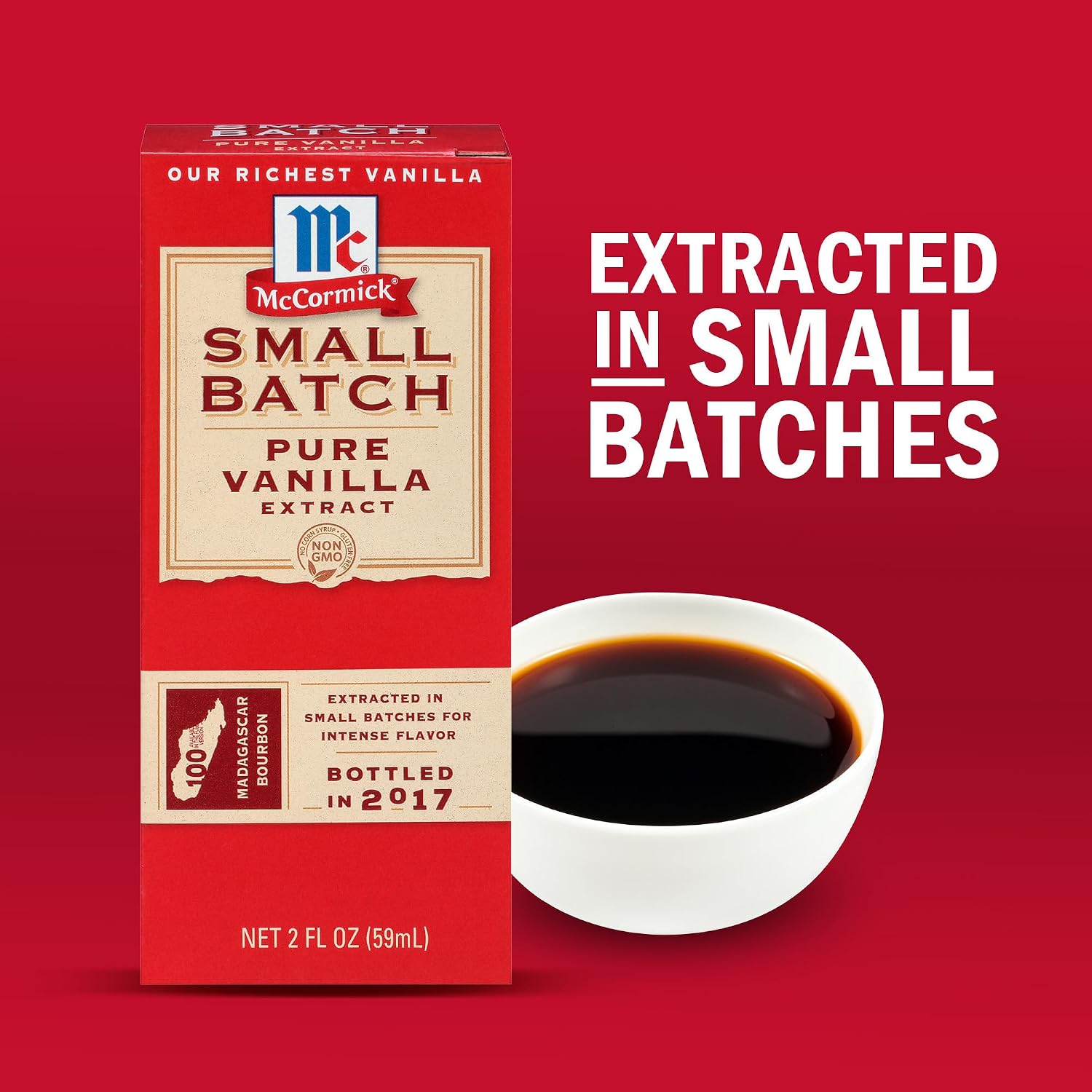
McCormick
$7.00
In stock on Amazon
Check price on AmazonKirkland Signature Pure Vanilla Extract — The Volume Wildcard
Kirkland’s pure vanilla extract is where the comparison gets genuinely interesting for anyone sourcing at volume. Kirkland sources from vanilla-growing regions and bottles at a price point that, on a per-ounce basis, dramatically undercuts the name brands — often approaching or beating McCormick’s per-ounce rate while delivering a significantly larger bottle.
The question that hovers over every Kirkland pantry product is the same: who manufactures it? Kirkland does not publicly disclose its extract supplier, and the manufacturer for this specific product has not been independently verified in any sourcing document available as of mid-2026. Speculation in baking communities periodically links Kirkland vanilla to various commercial producers, but these claims are unconfirmed and should be treated as such. What owner reviews do consistently report is that the flavor is closer to the mid-range than to commodity — multiple reviewers describe it as noticeably better than the grocery-store standard they’d been using, though the flavor language isn’t as elevated as what Nielsen-Massey owners use.
One significant practical caveat you need to know before buying: A recurring and well-documented complaint in Kirkland vanilla reviews is packaging in transit. Some sellers — particularly marketplace third-party sellers — ship the glass bottle in a padded envelope rather than a box, and breakage on arrival is a real reported issue. If you’re ordering Kirkland vanilla to be shipped, this is an active buying-decision factor. Look carefully at fulfillment source and check recent reviews for shipping damage reports before committing to a large order. In-store pickup from a Costco warehouse sidesteps the breakage risk entirely.
Best for: Volume baking where you need a reliable, better-than-commodity extract at a price that makes large-batch production viable; warehouse members who can inspect packaging in-store.
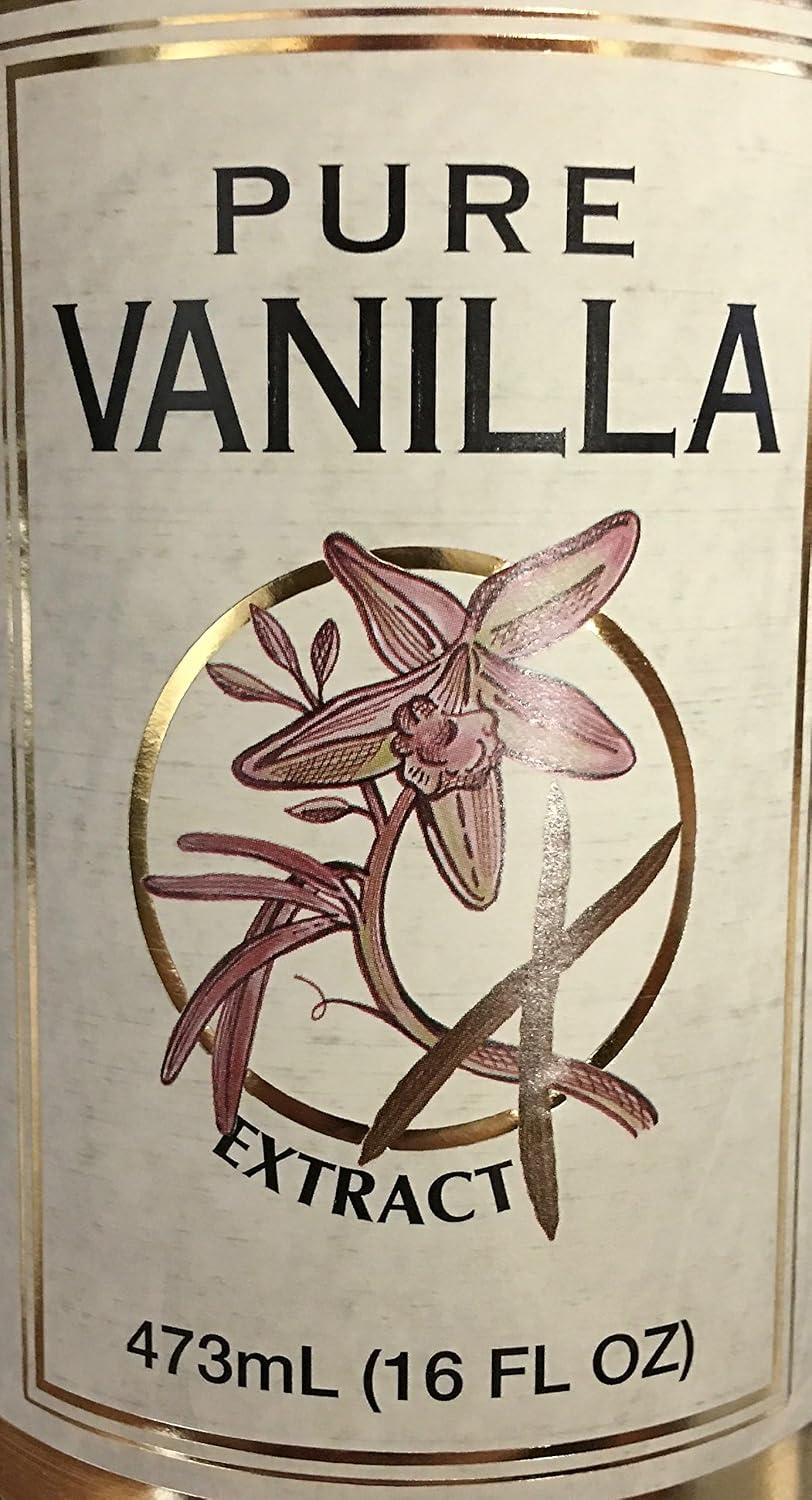
Kirkland
$20.99
In stock on Amazon
Check price on AmazonNielsen-Massey Madagascar Bourbon Pure Vanilla Extract — The Premium Benchmark
Nielsen-Massey is the name that comes up most often when professional pastry cooks describe what they actually use. “Madagascar Bourbon” refers to vanilla beans grown on the island of Madagascar (and historically the Bourbon — now Réunion — island), a growing region that produces the classic vanilla flavor profile most Western palates recognize: rich, creamy, slightly woody, with a long finish.
Owner reviews for Nielsen-Massey use language you don’t see attached to most extracts. Phrases like “on a completely different level,” “still the best vanilla made,” and “used by all the pro bakers” recur across verified purchase reviews. To be precise, these are owner impressions, not verified flavor-science claims — but the consistency and specificity of the language across thousands of reviews is a meaningful signal. When many independent buyers reach for the same elevated descriptor, that’s worth weighing.
Serious Eats, in their vanilla extract testing article “The Best Vanilla Extracts, According to Our Tests,” places Nielsen-Massey at or near the top of pure extract rankings, with particular praise for its complexity in custard and cream-based applications where vanilla is the star. King Arthur Baking, in their ingredient guide “Vanilla Extract: What You Need to Know,” references Nielsen-Massey as a benchmark when discussing how to evaluate vanilla quality — the kind of endorsement that carries weight because King Arthur’s audience is exactly the intermediate-to-advanced home baker who cares about results.
The honest tradeoff is price. Nielsen-Massey runs meaningfully higher per ounce than McCormick, and whether that premium pays off depends entirely on how your recipe uses vanilla and what you’re baking it into.
Best for: Custards, pastry creams, vanilla-forward cakes, white chocolate ganache, buttercreams, and any application where vanilla is the lead flavor rather than a supporting one.
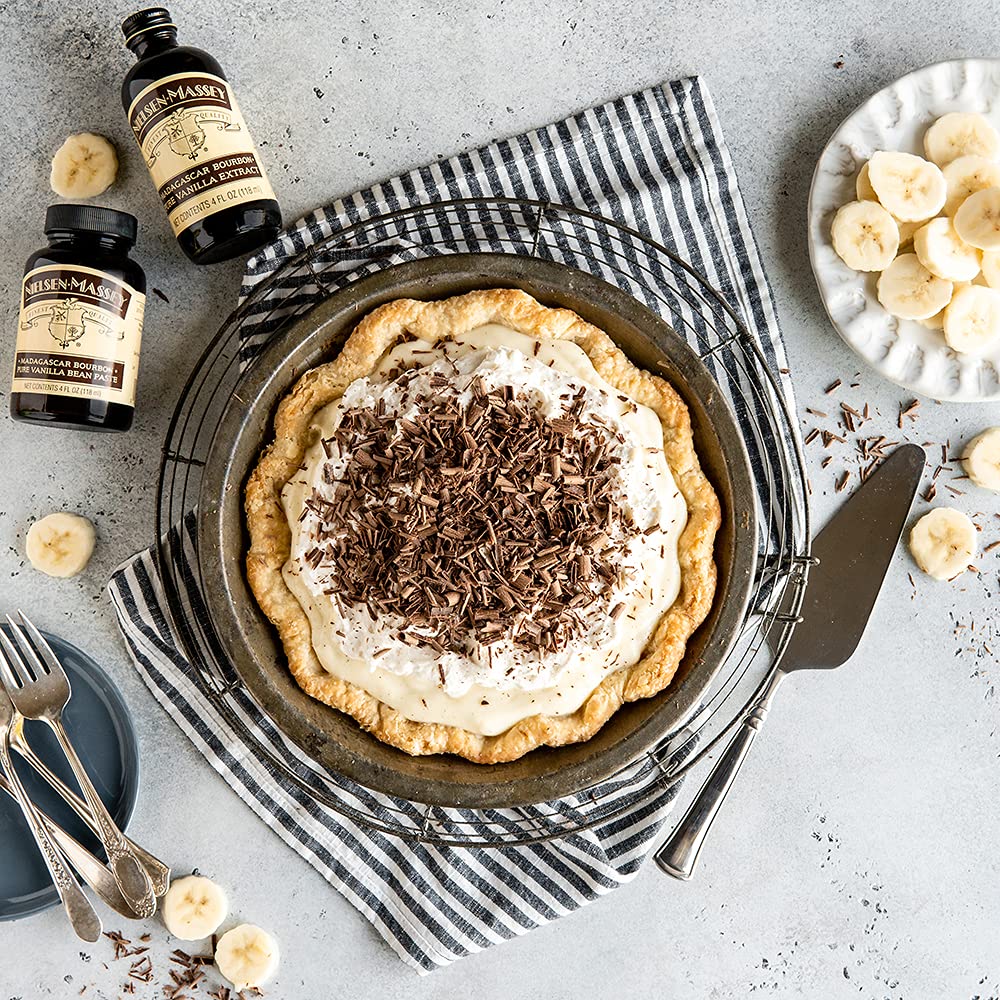
Nielsen-Massey
$34.14
In stock on Amazon
Check price on AmazonBy the Numbers: Per-Ounce Math at Typical 2026 Pricing
| Product | Common Size | Approx. Price | Per-Ounce Cost |
|---|---|---|---|
| McCormick Pure Vanilla | 8 oz | ~$9–$11 | ~$1.10–$1.38/oz |
| Nielsen-Massey Madagascar Bourbon | 4 oz | ~$15–$18 | ~$3.75–$4.50/oz |
| Nielsen-Massey Madagascar Bourbon | 32 oz | ~$55–$70 | ~$1.72–$2.19/oz |
| Kirkland Signature Pure Vanilla | 16 oz | ~$12–$16 | ~$0.75–$1.00/oz |
The 32 oz Nielsen-Massey math is worth stopping on: at roughly $1.72–$2.19 per ounce, the large format closes more than half the per-ounce gap versus the standard 4 oz bottle. If you’re baking at a volume where a 32 oz bottle won’t sit on your shelf for two-plus years, the economy case for the large Nielsen-Massey is real and shouldn’t be dismissed. More on that in the FAQ below.
McCormick Small Batch: Does It Actually Outperform Regular McCormick?
McCormick’s Small Batch Pure Vanilla Extract generates consistently positive owner reviews, but the pattern of how people use it is revealing: the most consistent praise shows up in uncooked or minimally cooked contexts — flavoring whipped cream, stirring into homemade creamer, or finishing a dessert after baking. This raises a genuine question the available data can’t fully answer: does Small Batch genuinely outperform standard McCormick in fully baked applications, or does it benefit from smaller-quantity, fresher use in contexts where vanilla’s volatile aromatics haven’t been cooked off?
The honest answer is that the review evidence doesn’t isolate these variables cleanly. If you’re considering Small Batch as a premium step up within the McCormick line for baked goods, the case is less clear than for simply moving to Nielsen-Massey. If you want a higher-quality vanilla for raw or lightly heated applications and prefer to stay in the McCormick ecosystem, Small Batch reviews support that use case more directly.
Frequently Asked Questions
Is Nielsen-Massey vanilla actually worth the price premium over McCormick for home baking?
For most chocolate-forward or heavily spiced recipes, owners consistently report that the difference is hard to detect once baked. For vanilla-forward applications — vanilla bean cake, crème brûlée, pastry cream, vanilla buttercream — the flavor complexity reviewers describe in Nielsen-Massey is more likely to matter. Serious Eats’ vanilla extract testing article “The Best Vanilla Extracts, According to Our Tests” supports this distinction, noting that quality differences surface most clearly in applications where vanilla is the primary flavor rather than one note among many. The decision point is what percentage of your baking is vanilla-primary. If most of it is, the premium is defensible.
Who manufactures Kirkland vanilla extract, and is it the same quality as name brands?
The manufacturer is not publicly disclosed by Costco and hasn’t been independently verified in published sourcing documents as of May 2026. Owner impressions place it above commodity grocery-store extracts but below Nielsen-Massey in complexity. Treat it as a quality mid-range option at a volume price — not as a secret Nielsen-Massey equivalent.
Does the 32 oz Nielsen-Massey save enough per ounce to justify buying at that size?
Yes — the per-ounce savings versus the 4 oz bottle are substantial (see the table above). The economic case holds if you’ll use 32 oz within 12–18 months. Pure vanilla extract’s shelf life is long, but volatile aromatic compounds do diminish over time once a bottle is opened and repeatedly exposed to air. King Arthur Baking, in their ingredient guide “Vanilla Extract: What You Need to Know,” notes that storage conditions — cool, dark, tightly sealed — matter significantly for preserving extract quality over time. For a small-batch bakery or a dedicated home baker doing weekly production, clearing 32 oz in 12–18 months is entirely realistic. For a twice-a-month home baker, it’s a stretch.
Is McCormick Small Batch noticeably different from regular McCormick Pure Vanilla?
Based on the pattern in owner reviews, the most consistent praise for Small Batch appears in uncooked or minimally cooked contexts. Whether it outperforms standard McCormick in fully baked applications isn’t clearly supported by the available review data. If your goal is improved flavor in baked goods specifically, the evidence points more toward moving to Nielsen-Massey than to Small Batch.
At what point does buying bulk vanilla extract stop making economic sense?
The math turns negative when the extract’s aromatics degrade faster than you use it. Once opened, a bottle stored properly holds its character well for 12–24 months. If your usage rate won’t clear the bottle in that window, the per-ounce savings evaporate alongside the flavor. A solo home baker going through 2 oz per month should not buy a 32 oz bottle of anything on economics alone.
The Decision Rule
If you bake at moderate volume and vanilla is usually a background ingredient: McCormick Pure Vanilla is a sensible, economically rational choice. Its return-loyalty pattern tells you it’s reliable — just don’t expect it to be the star of a vanilla-forward dish.
If you bake vanilla-primary recipes — custards, buttercreams, chiffon cakes, anything where vanilla is doing the heavy lifting: Nielsen-Massey Madagascar Bourbon is where the premium has a defensible return. Serious Eats’ testing article “The Best Vanilla Extracts, According to Our Tests” and the elevated, consistent owner language both point in the same direction: this is a meaningfully different product for the applications that showcase it.
If you’re baking at volume and need a step above commodity without paying premium-brand per-ounce prices: Kirkland Signature is worth considering, with the firm caveat that you verify packaging and fulfillment before ordering for delivery. In-store purchase eliminates the breakage risk.
If you’re deciding whether the 32 oz Nielsen-Massey makes sense: Run your own usage math first. If you clear 2 or more ounces per week in active baking, the large format pays off on quality and price simultaneously. That’s the sweet spot where the comparison closes in Nielsen-Massey’s favor across every dimension simultaneously — and the one scenario where the premium-tier bottle becomes the most economical choice in the lineup.