If you’ve ever made a batch of white buttercream frosting — the kind that’s supposed to be pure, bright white for a wedding cake or a celebratory layer cake — and noticed it came out looking faintly cream or ivory, your vanilla extract is probably the culprit. Standard pure vanilla extract is dark brown, almost like a thin molasses, and even a teaspoon stirred into white frosting will shift the color toward warm beige. That’s not a flaw in the extract; it’s just the nature of how vanilla is made — real vanilla beans steeped in alcohol create a dark, pigmented liquid. But when a client is paying for a white wedding cake, or when you’re posting a photo where the frosting needs to look like fresh snow, that warm tint is a problem you have to solve. This article walks through your real options — clear imitation vanilla, alcohol-free vanilla, and the rare pure-clear alternatives — so you can make an informed decision before your next high-stakes batch.
| EDITOR'S PICK[Watkins Pure Vanilla Extract](https://www.amazon.com/dp/B0DD94QLMZ?tag=greenflower20-20) | Mid-tier[McCormick Culinary Clear Imitat…](https://www.amazon.com/dp/B008OGD4J6?tag=greenflower20-20) | Budget pick[Watkins Organic Pure Vanilla Al…](https://www.amazon.com/dp/B0BQ7TZVTD?tag=greenflower20-20) | |
|---|---|---|---|
| Type | Pure extract | Imitation | Alcohol-free |
| Bottle size | 11 fl oz | 32 fl oz | 2 fl oz |
| Clear appearance | ✗ | ✓ | — |
| Non-GMO | ✓ | — | — |
| Organic | — | — | ✓ |
| Kosher | ✓ | — | — |
| Price | $19.65 | $13.06 | $12.99 |
| See on Amazon → | See on Amazon → | See on Amazon → |
Why Color Matters More Than You Might Think
Most flavor decisions in baking are purely about taste. Color is usually a secondary concern. But in white cake decorating, color becomes a business-critical variable.
Professional cake decorators are unusually specific about this. When a bride’s cake photographs as ivory instead of the snow-white promised, that’s a real professional problem — not a preference. The source of the discoloration is not mysterious: as explained in the King Arthur Baking Company Vanilla Extract FAQ and Buying Guide, pure vanilla extract gets its deep color from vanillin and other phenolic compounds extracted from the bean during maceration — typically a weeks-long steep in an ethanol-water solution. Those same compounds that give pure vanilla its complex, warm flavor are also the ones imparting brown pigment. When you stir even a small amount into a white, fat-heavy buttercream, the color diffuses throughout the batch.
The practical upshot: if white color matters, you have four tools available.
- Clear imitation vanilla — synthetic vanillin in a colorless carrier, no natural vanilla at all
- Alcohol-free clear vanilla — same synthetic or nature-identical flavoring, minus the ethanol
- Reduced-quantity pure vanilla — using less to minimize color impact while preserving some flavor complexity
- True pure clear vanilla — a rare category; more on this below
Each comes with real tradeoffs. Let’s go through them honestly.
Comparing Your Clear Vanilla Options
Clear Imitation Vanilla: The Honest Case For It
“Imitation” has a stigma in baking communities, and that stigma is sometimes deserved. Cheap imitation vanillas can taste flat, chemical, or sharp. But clear imitation vanilla from quality producers occupies a genuinely different position than generic store-brand imitation extracts.
Well-formulated clear imitation vanilla delivers a synthetic vanillin that reads as clean and round rather than harsh and boozy. The alcohol note many people dislike in cheaper imitation products often isn’t from the vanillin itself — it’s from a poorly balanced ethanol carrier. The flavor profile of synthetic vanillin is simpler than pure vanilla. Where a Madagascar Bourbon pure vanilla has hundreds of flavor compounds — smoky, fruity, buttery notes layered beneath the primary vanillin hit — clear imitation vanilla is essentially a single-note performance.
As Serious Eats notes in their vanilla extract comparison piece, pure vanilla’s complexity is most perceptible in delicate, less-sweet applications: custard, panna cotta, a lightly sweetened whipped cream. In heavily sweetened buttercream, the sugar itself is so dominant that the supporting cast of pure vanilla’s flavor compounds often gets masked anyway. This is the practical argument for clear imitation in frosting: the application is already masking most of the complexity you’re paying for in a pure extract. If the color matters and the frosting is heavily sweetened, the honest comparison is closer than brand loyalty would suggest.
Who this is for: Professional decorators and small-batch bakeries where white color is a contractual or visual requirement — wedding cakes, tiered celebration cakes, white buttercream that must photograph as white.
Watkins
$12.99
In stock on Amazon
Check price on AmazonVolume-Scale Clear Imitation: Affordability as a Formulation Variable
For bakers operating at genuine volume — hundreds of cookies, muffins, and loaves per week — affordability stops being a budget preference and becomes part of the formulation calculus itself. At that scale, professional-grade clear imitation vanilla in larger bottle formats is the rational choice: the color benefit is identical, and the cost difference across thousands of servings is substantial.
There’s also a flavor-nostalgia pattern worth acknowledging. Synthetic vanillin was the flavor profile for a generation of American baked goods. For some applications — sugar cookies meant to taste like a school bake sale, or a birthday cake designed to evoke a specific decade — imitation vanilla is not a compromise; it’s the target flavor. Fine Cooking, in their overview piece “Understanding Vanilla: Extract, Paste, and Powder,” makes a useful distinction: “authentic” in flavor means matching the intended sensory outcome, not necessarily matching the botanical source. If your intended outcome is a specific nostalgic flavor, imitation vanilla is the authentic choice.
Who this is for: High-volume commercial bakers, caterers, and bakery operations where per-unit cost matters and white color consistency is a production standard.
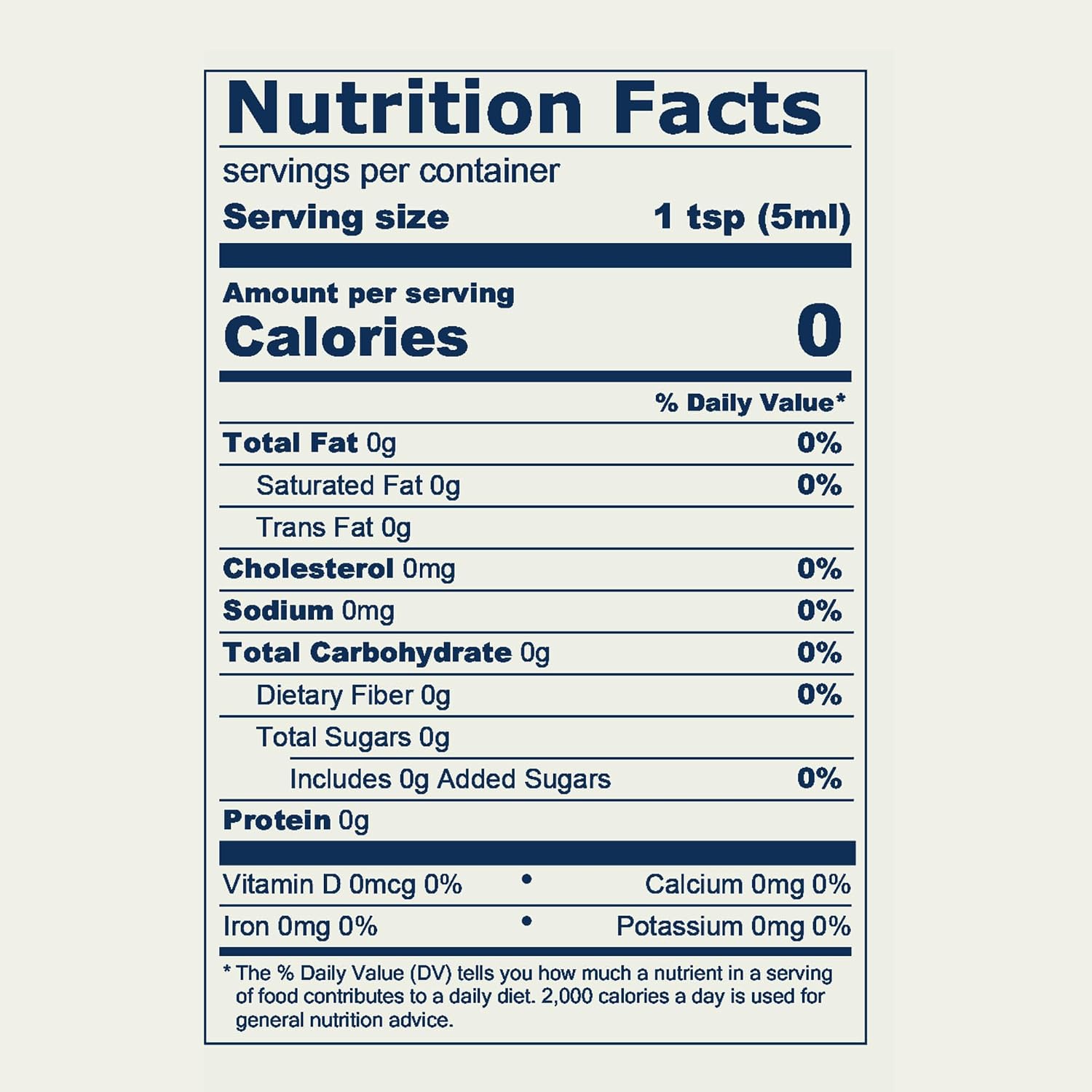
McCormick
$13.06
In stock on Amazon
Check price on AmazonAlcohol-Free and Pure-Clear Vanilla: Different Problems, Different Solutions
Alcohol-free vanilla options draw a third distinct buyer type: people using vanilla in cold, uncooked applications where the ethanol in standard extract stays raw and perceptible. Smoothies, yogurt, no-bake cheesecakes, overnight oats — in these contexts, even a small amount of standard extract can taste sharp or boozy because there’s no heat to volatilize the alcohol.
Here’s the important nuance: alcohol-free does not automatically mean clear, and clear does not automatically mean alcohol-free. These are separate product attributes that sometimes overlap. A product may be marketed as alcohol-free while still containing color from natural flavoring sources, while a clear product may still carry alcohol as its solvent. Treat them as solutions to different problems.
For cooked applications, alcohol-free vanilla behaves nearly identically to standard extract. As The Kitchn explains in their testing overview “Does the Type of Vanilla You Use Really Matter?,” in baked applications the functional flavor difference between alcohol-free and alcohol-based vanilla is negligible — the ethanol volatilizes in the oven regardless of starting concentration.
A genuinely rare fourth category also exists: vanilla flavor products derived from natural vanilla sources but processed to remove color-causing pigments. These are sometimes labeled “natural vanilla flavor” rather than “pure vanilla extract” — because the FDA’s definition of “pure vanilla extract” requires the ethanol maceration process that also produces color, a clear product derived from vanilla often cannot use the “pure extract” label even if it contains real vanilla compounds. Whether the flavor complexity justifies the hunt and the premium price is a legitimate practitioner question. For most professional white cake frosting, the flavor difference doesn’t clear the bar. For a flavor-curious confectioner making a color-critical white chocolate ganache or a pale panna cotta where flavor nuance is perceptible, it might.
Who this is for: Flavor purists who want white color and real vanilla complexity, cold-application bakers, and those with alcohol sensitivities or restrictions.
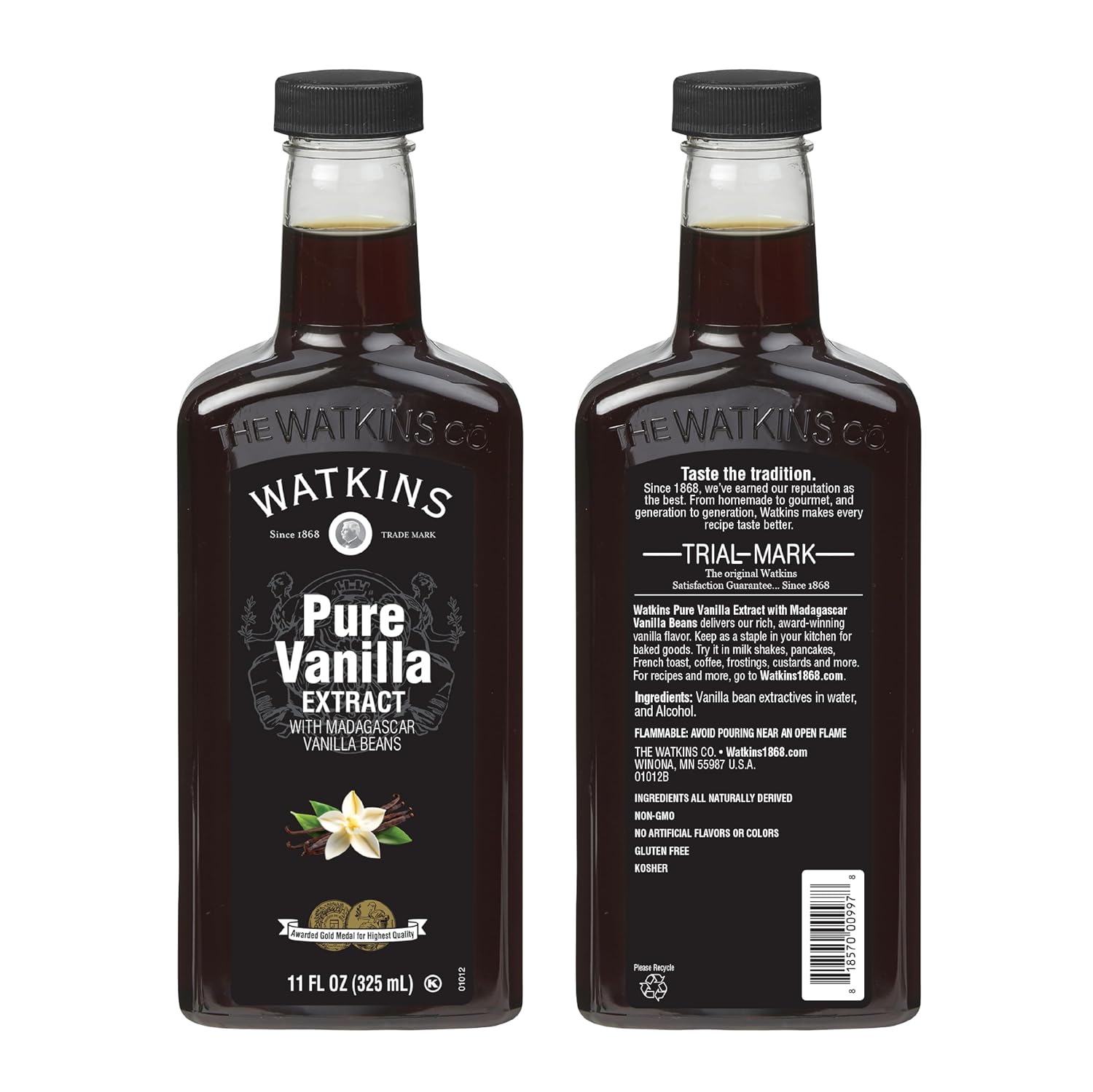
Watkins
$19.65
In stock on Amazon
Check price on AmazonBy the Numbers
| Product Type | Contains Color? | Contains Alcohol? | Contains Real Vanilla? | Best Application |
|---|---|---|---|---|
| Pure vanilla extract | Yes (dark brown) | Yes | Yes | Flavor-forward, warm-toned bakes |
| Clear imitation vanilla | No | Usually yes | No | White frosting, color-critical decorating |
| Alcohol-free vanilla | Varies | No | Varies | Cold/no-bake, alcohol-sensitive uses |
| Pure clear vanilla | No (rare) | Varies | Yes | Color-critical + flavor purists |
Frequently Asked Questions
1. Will regular pure vanilla extract turn white buttercream yellow or brown?
Yes — reliably and noticeably. Even one teaspoon of a dark pure extract stirred into a full batch of white American buttercream will shift the color toward ivory or light beige. The degree depends on the extract’s depth of color (which varies by brand and concentration), the fat content of the frosting, and how vigorously the frosting is whipped. If white color is non-negotiable, pure vanilla extract used at standard recipe quantities will compromise it. Some decorators use a reduced amount — a quarter teaspoon versus a full teaspoon — to get some flavor complexity while minimizing color shift, but this is a partial solution at best.
2. Does clear imitation vanilla taste noticeably different from pure vanilla in frosting?
In heavily sweetened American buttercream specifically: less than you’d expect. In a Swiss meringue buttercream or a lightly sweetened whipped frosting where sugar is less dominant, the difference is more perceptible — pure vanilla’s complexity comes through more clearly when it has less to compete with. The honest practitioner answer: in American buttercream at standard sweetness levels, the vast majority of tasters cannot reliably distinguish clear imitation from pure in a blind tasting. Serious Eats has noted this pattern in their vanilla comparison reporting. The flavor case for pure vanilla in frosting is real but frequently overstated relative to the color problem it creates.
3. Can I use alcohol-free vanilla in cooked recipes the same way I use extract?
Yes, in baked and heated applications, alcohol-free vanilla substitutes 1:1 with standard extract. The alcohol in standard extract plays no functional flavor role in cooked goods — it volatilizes in the oven. Where alcohol-free vanilla specifically earns its place is in uncooked applications: smoothies, no-bake fillings, raw frostings, yogurt, and cold custards where alcohol’s sharp note would remain perceptible throughout eating.
4. Is there a pure (not imitation) clear vanilla extract, and is it worth finding?
This category exists but is genuinely rare and niche. Products in this space are typically labeled “natural vanilla flavor” rather than “pure vanilla extract” because of the FDA labeling distinction described above. Whether the flavor complexity justifies the premium is a legitimate question. For most professional white cake applications, the flavor difference in frosting doesn’t clear the bar. For color-critical applications where flavor nuance is also perceptible — pale panna cotta, white chocolate ganache — it might be worth investigating. King Arthur Baking Company’s Vanilla Extract FAQ and Buying Guide is a useful starting point for understanding how labeling categories map to actual product formulations.
5. How much clear vanilla should I use compared to a recipe calling for pure extract?
The standard guidance, which King Arthur Baking Company affirms in their vanilla buying guide, is to use clear imitation vanilla at the same quantity called for in the recipe. Some bakers go slightly higher — up to 1.25x — to compensate for the simpler flavor profile, particularly in less-sweet applications. Alcohol-free vanilla substitutes directly 1:1 with no adjustment needed. The one exception: if you’re using a highly concentrated clear vanilla (some professional-grade products are labeled 2x or “double-strength”), cut the quantity in half.
The Decision Rule
If you’re a professional decorator or small-batch bakery owner and white color is a contractual or visual requirement — wedding cakes, tiered celebration cakes, white buttercream that photographs as white — clear imitation vanilla is the pragmatic, professionally defensible choice. Volume bakers for whom affordability is a formulation variable should look at professional-grade formats in larger quantities; the color benefit is identical at any scale.
If you’re working in cold or no-bake applications and the issue is alcohol taste rather than color, an alcohol-free product solves a genuinely different problem — don’t conflate the two categories.
If you’re a flavor purist who wants white color and real vanilla complexity, the rare pure-clear category is worth investigating, but enter with realistic expectations: in most frosting applications, the sugar will determine the flavor experience more than the vanilla source will.
And if the application is anything other than white — any colored frosting, any baked good with a warm crumb, any custard, any cake that isn’t judged by its snow-white appearance — reach for the pure extract. The color you’re working so hard to avoid in a white cake is exactly the depth of flavor you want everywhere else.