You’ve probably noticed that a frosting you flavored with pure vanilla extract tasted great when you licked the spatula — and then somehow tasted flatter, almost muted, after the cake sat at room temperature for a few hours. That’s not your imagination, and it’s not a bad batch of extract. It’s chemistry. Vanilla extract and most traditional flavor extracts are alcohol-based: the flavor compounds are dissolved in ethanol, which is an excellent carrier — but also a very eager evaporator. When alcohol meets air, warmth, or the heat of an oven, it takes a meaningful portion of its aromatic cargo with it on the way out.
Bakery emulsions solve this problem by switching the carrier from alcohol to water. An emulsion is a stable mixture of water and tiny droplets of flavor oil, held together by an emulsifier — think of it like a vinaigrette that never separates. Because water doesn’t evaporate the way alcohol does, the flavor compounds stay in your frosting, your buttercream, your cake filling, and even your baked cake crumb. This article breaks down when each format wins, what the trade-offs cost you in practice, and how to make a confident buying decision based on your actual application.
What Actually Happens to Flavor During Baking (and Why It Matters for Frostings Specifically)
The mechanism here is important because it shapes every buying decision downstream.
Pure extract is typically 35% alcohol by volume — that’s the FDA minimum for a product labeled “pure vanilla extract,” per the FDA’s Standards of Identity for Vanilla Products (21 CFR Part 169). That ethanol is doing real work: it’s an excellent solvent for vanillin, coumarin, eugenol, and the other aromatic molecules that make vanilla smell and taste like vanilla. The problem is that ethanol’s boiling point is roughly 173°F (78°C), well below the internal temperatures reached in most baked goods. Serious Eats’ science-of-vanilla editorial coverage notes that a meaningful portion of alcohol-carried aroma volatilizes during baking — which is why extract works brilliantly in raw or lightly heated applications such as raw dough, no-bake cheesecakes, and cold custard bases, but loses ground in high-heat situations.
Now consider frosting. Frosting isn’t baked, but it’s often warm during production (especially if you’re making an Italian meringue or a cooked-flour ermine buttercream), it sits at room temperature for hours during display, and it’s spread thin across a surface with enormous air exposure. Every one of those conditions favors alcohol evaporation. The Kitchn’s ingredient overview of bakery emulsions makes this point plainly: because the flavor is water-based, it doesn’t bake out or evaporate the way alcohol does.
Emulsions swap the carrier. The flavor oil is encapsulated in a water-based gel, typically stabilized with a gum or starch emulsifier. That gel doesn’t evaporate at normal baking temperatures. Fine Cooking’s comparative piece on vanilla formats confirms the practical result: emulsions tend to deliver more consistent flavor in finished baked products, especially in items that see prolonged oven time or extended open-air exposure.
The key trade-off: emulsions deliver stubborn, stable flavor. Extracts deliver nuanced, complex flavor — but only if the application doesn’t cook it off.
The Three-Tier Comparison: Budget, Mid-Range, and Premium Applications
Understanding where each flavor format fits isn’t just about heat tolerance — it’s also about cost, production volume, and the flavor complexity your specific application actually requires. The breakdown below maps each tier to a realistic bakery context.
Budget-Tier: High-Volume Buttercream and Sheet Cake Production
For bakers producing large quantities of American buttercream — the high-ratio shortening or butter-and-powdered-sugar style common in wedding and celebration cake work — bakery emulsion is the clear workhorse choice. The King Arthur Baking Company ingredient knowledge base specifically identifies emulsions as the professional choice for this application, noting that the water-based carrier integrates cleanly into fat-heavy frostings without the slight sharpness that high volumes of alcohol-based extract can introduce at scale.
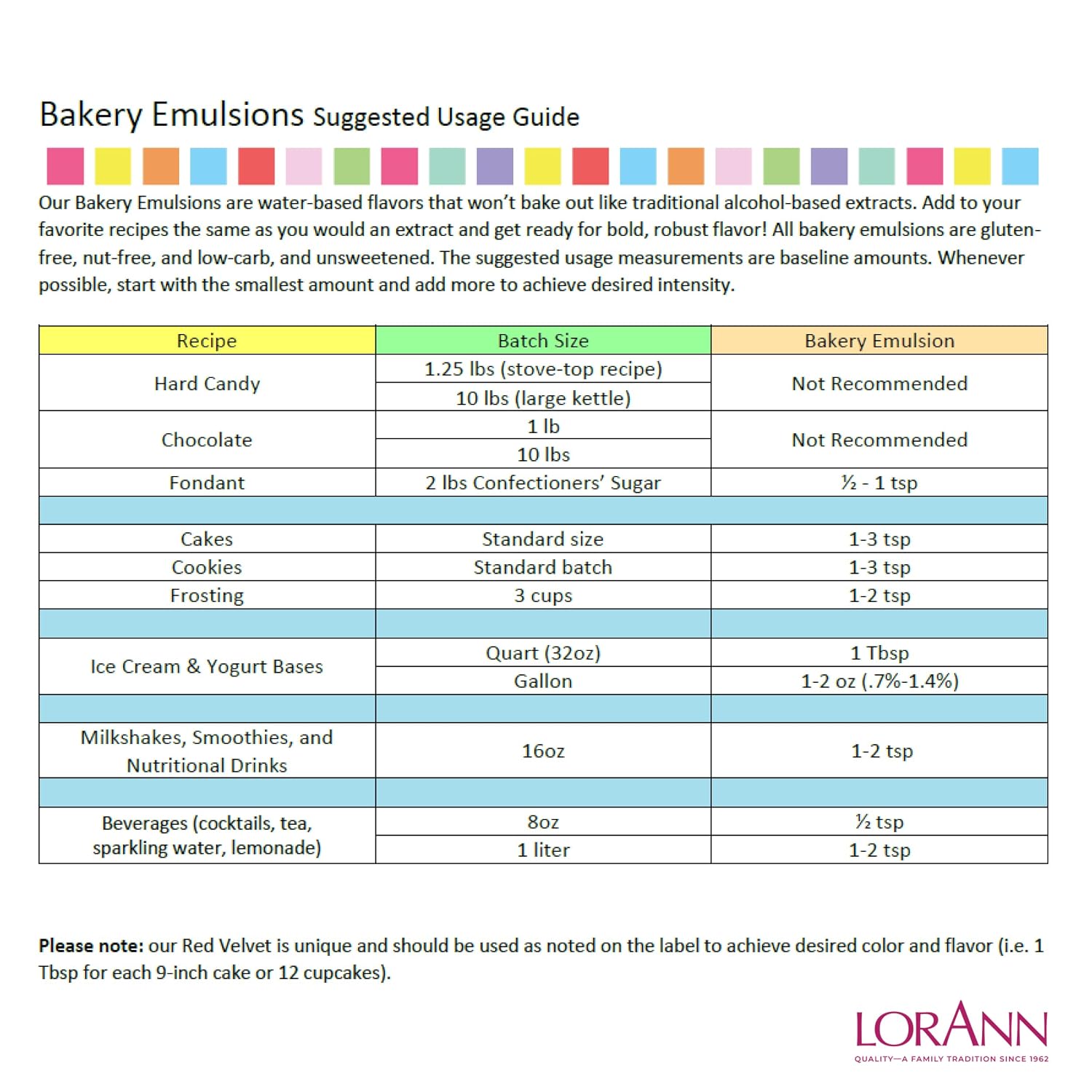
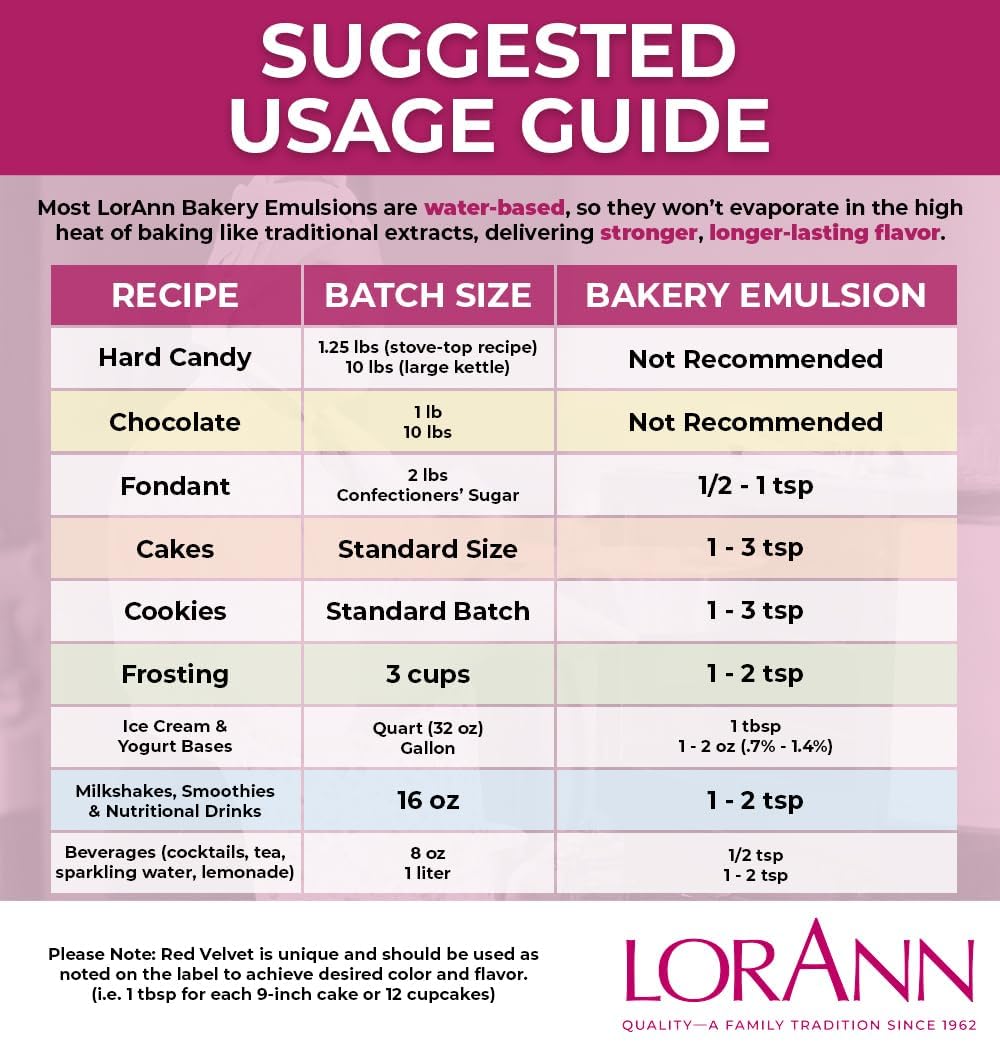
At volume, the economics reinforce the flavor argument. A gallon of professional-grade bakery emulsion from bulk baking suppliers typically runs $40–$80. Because emulsions are generally used at roughly 75% of the volume you’d use for extract — manufacturer guidance from LorAnn Oils and Olive Nation both recommend starting at about three-quarters of the extract quantity and adjusting to taste — the effective cost-per-batch advantage compounds meaningfully over a production quarter. For sheet cakes baked at 350°F for 30 or more minutes, emulsion flavor survives where extract flavor diminishes.
LorAnn
$8.29
In stock on Amazon
Check price on AmazonMid-Tier: Layer Cakes, Pastry Cream, and Display Fillings
This is where the split-application approach earns its place. A standard layer cake has multiple thermal environments: the cake crumb bakes at sustained high heat, the pastry cream or curd filling is cooked to 185°F or higher to gelatinize starch, and a thin soaking syrup may be applied at room temperature. Pastry Arts Magazine’s overview of flavor carriers in professional pastry describes this as “carrier-matching” — aligning the flavor format to the thermal profile of each component rather than using one product throughout.
Practical application: use emulsion in the batter and in the cooked filling (added off-heat to preserve as much top-note brightness as possible). Use a mid-quality pure extract — Nielsen-Massey Madagascar Bourbon Pure Vanilla Extract is widely referenced in professional baking communities as a reliable mid-tier option — in the soaking syrup or in any cold-finish element like a diplomat cream. This hybrid approach gives you a stable flavor floor from the emulsion and the aromatic complexity of the extract in the components that can actually carry it.
For display cases and outdoor market environments, the emulsion components hold under humidity and warmth; the extract components deliver complexity on first bite.
Happy
$9.99
In stock on Amazon
Check price on AmazonPremium-Tier: French Pastry, Entremet Components, and No-Heat Applications
This is extract’s uncontested territory. Whipped cream, mousse, cold-set panna cotta, raw ganache, no-bake cheesecake, ice cream base before churning, and macaron filling — these applications are where the aromatic complexity of a high-quality pure extract registers fully because there is no heat to strip it away.
At the premium tier, origin and processing method matter in ways that don’t apply lower down the stack. The terroir difference between a Tahitian vanilla’s floral, cherry-anise notes and a Madagascar Bourbon-type’s richer, woodsy-vanillin profile actually lands on the palate in a cold diplomat cream layered inside an entremet. Fine Cooking’s vanilla format comparison explicitly identifies cold and room-temperature applications as the contexts where premium extract investment is justified. For macaron shells — thin, fast-baking (11–14 minutes at 300–325°F), and delicate by design — Serious Eats’ pastry science coverage distinguishes between applications where flavor complexity is the goal and those where flavor survival is the goal; macarons fall firmly in the complexity column, and a high-quality pure almond or vanilla extract outperforms emulsion here.
Vanilla paste occupies a sub-tier of its own: roughly 10% alcohol by volume, with the added benefit of visible bean specks that signal quality to the customer. It’s the right call for crème brûlée, shortbread, and any application where the visual cue matters as much as the flavor profile.
Lorann
$33.99
In stock on Amazon
Check price on AmazonFormat Comparison at a Glance
| Format | Alcohol Content | Typical Use Rate | Heat Stability | Flavor Complexity |
|---|---|---|---|---|
| Pure extract (35% ABV) | ~35% | 1 tsp per cup flour | Low–Medium | High |
| Imitation extract | ~35% | 1 tsp per cup flour | Low–Medium | Low–Medium |
| Bakery emulsion | 0–2% | ½–¾ tsp per cup flour | High | Medium–High |
| Vanilla paste | ~10% | 1:1 swap for extract | Medium | High |
Use rates reflect general professional guidance; always taste and adjust, as concentration varies by brand and fold strength.
Where Extracts Still Win — Don’t Throw Yours Out
Emulsions are not universally superior, and if you’re working with a premium single-origin vanilla or a high-quality pure almond extract, you should know exactly when that investment pays off.
No-heat or low-heat applications. The full aromatic complexity of a pure extract survives to your customer’s palate when there’s no heat to drive it off. This is the correct format for whipped ganache, cold mousses, and any filling that never sees a burner or an oven.
Custard bases and crème brûlée. This is a split decision. The custard bakes low-and-slow (300–325°F in a water bath for 45–60 minutes), which is moderate sustained heat — enough to diminish extract brightness but not so extreme that emulsion provides no benefit. Many professional pastry kitchens use emulsion in the base for flavor consistency and add a small measure of high-quality extract off-heat, after the custard has cooled, to restore top-note brightness. The Kitchn’s emulsion overview and Serious Eats’ broader pastry coverage both support the general principle that adding delicate aromatics after peak heat preserves them most effectively.
Delicate cookies and financiers. Applications with short oven times and restrained flavor profiles — financiers, tuiles, shortbread — benefit from the nuance extract provides. The bake is brief enough that significant alcohol evaporation doesn’t fully strip the flavor, and the subtle aromatic complexity is perceptible in the finished product.
Label Reading Before You Buy
Emulsions are not standardized by the FDA the way “pure extract” is, so label literacy matters at point of purchase.
- Water-based carrier listed first in the ingredient statement (water or aqueous solution, not alcohol) confirms you have a true emulsion
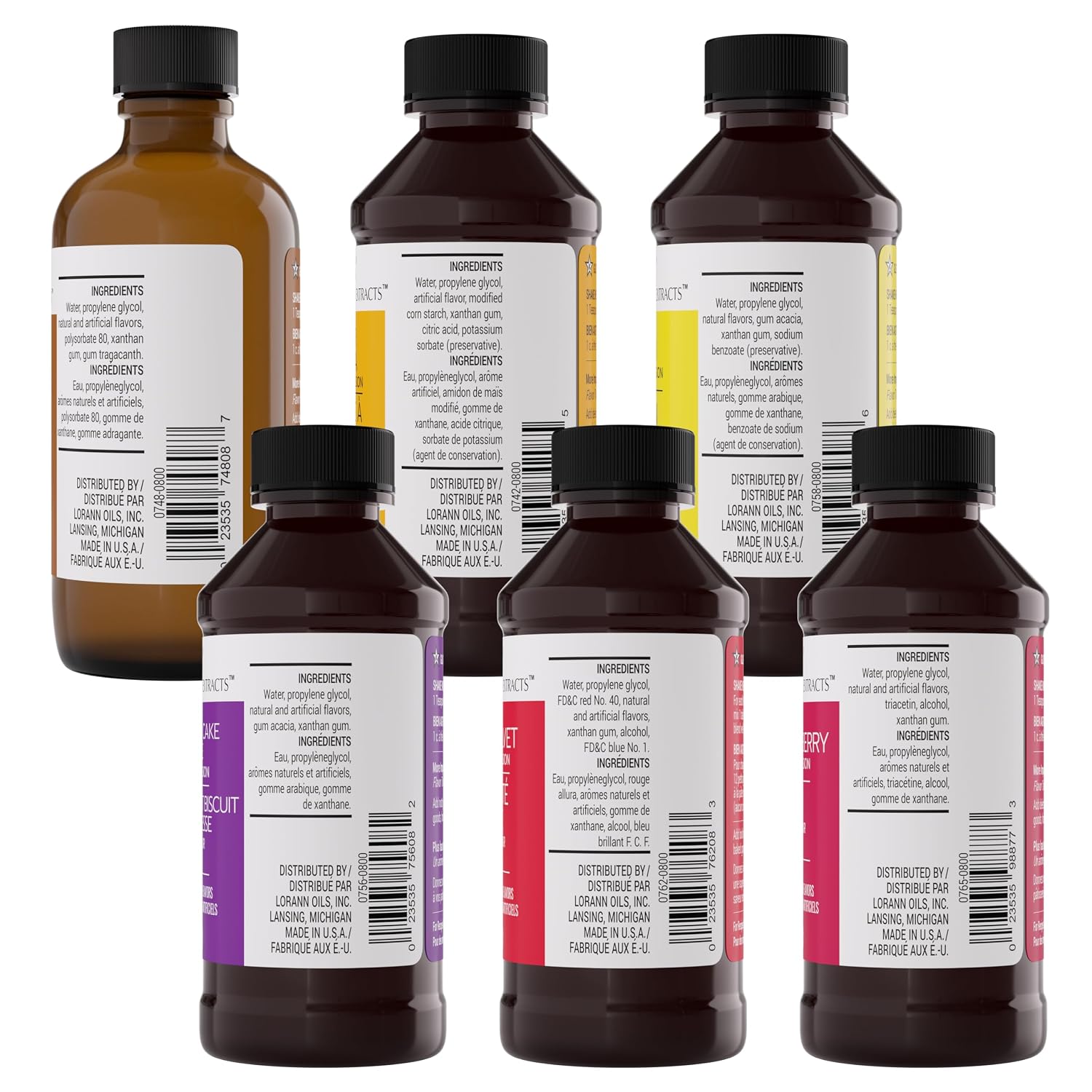
- Propylene glycol appears in some formulations — it’s food-safe, but worth knowing if you serve clients with specific ingredient sensitivities
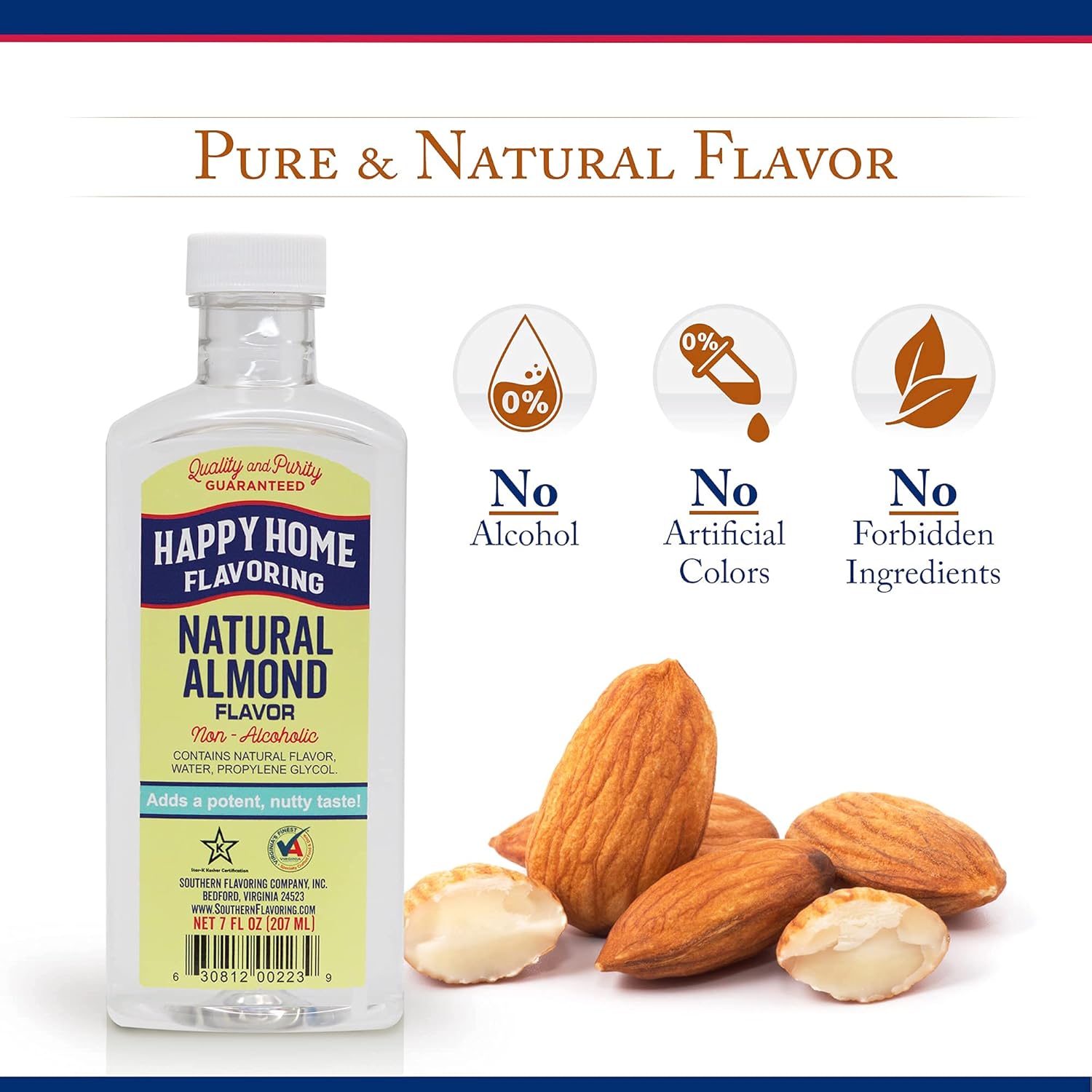
- “Natural flavor” vs. “artificial flavor” — emulsions exist across both tiers; the label tells you which you’re getting, and neither is automatically inferior for every application
- Fold strength — some professional emulsions are 2x or 4x concentrated; if the label doesn’t specify fold, treat it as single-strength and adjust to taste
King Arthur Baking Company’s ingredient knowledge base consistently recommends tasting emulsions neat before formulating. The flavor profile is more direct and less nuanced than a well-made extract, and knowing what you’re working with before you scale up prevents over-flavoring an entire batch.
The Decision in Plain Terms
Extracts are complex and fragile. Emulsions are stable and consistent. Neither is universally better — and the most capable professional pastry kitchens, as documented in Pastry Arts Magazine’s coverage of flavor carrier strategy, use both formats deliberately rather than defaulting to one across every application.
The right answer is the one that matches your application’s thermal reality. Buttercream going into a display case all weekend? Emulsion. Raw ganache drizzled cold over an entremet? Premium extract. Pastry cream cooked on a burner and then piped into an éclair? Emulsion in the cook, extract stirred in off-heat. Use this framework consistently, and your flavors will land where they’re supposed to — on the palate, not in the oven air.